You need wedding photo and video coverage from the first moment you want preserved to the last, with travel and transitions included in that window. For Houston couples comparing wedding photo and video packages coverage hours, the right answer comes from your wedding timeline—not a fixed hourly recommendation—and photography and film need separately confirmed start and finish times.
TL;DR
Wedding photo and video packages coverage hours should follow your must-have moments, travel, and final reception event.
JRMH Photos & Films offers wedding photography and videography; request a personal quote based on your timeline.
Confirm photography and videography coverage separately rather than assuming both services share the same hours.
Choose your final must-have moment before deciding when coverage ends.
How many hours of wedding photo and video coverage do you need?
Choose the coverage window that includes your first and last must-have moments, then check everything that happens between them. A ceremony-focused celebration and a wedding with preparation, separate locations, and a late reception ending require different timelines. Neither needs an arbitrary number of hours attached before the plans are clear.
JRMH Photos & Films provides wedding photography and videography. When you request a personal quote, share your wedding date, locations, ceremony time, and the moments you most want to relive. Those details make the coverage conversation specific to your celebration.
Build your coverage window in this order:
Choose your beginning. Decide whether your memories should start with getting ready, a first look, portraits, or the ceremony. Name the actual moment rather than asking for general morning coverage.
Choose your ending. Identify the final reception moment you want photographed and filmed. That might be a dance, a speech, or your departure; it does not automatically have to be the venue's closing time.
Connect the locations. Include movement between preparation spaces, the ceremony, portrait locations, and the reception. Travel still sits inside the day's schedule.
Check both services. Ask when photography begins and ends, then ask the same about videography. Do not treat a combined quote as proof of matching coverage.
Check the transitions. Leave room in the timeline for gathering family, moving guests, and getting into position before an important moment begins.
The calculation is simple: subtract the planned coverage start from the planned coverage finish. The harder decision is choosing those endpoints without leaving out a memory that matters to you.
A provisional 2026 timeline is enough to begin the conversation. Label the times that are still undecided so your quote does not rest on a schedule you have not confirmed.
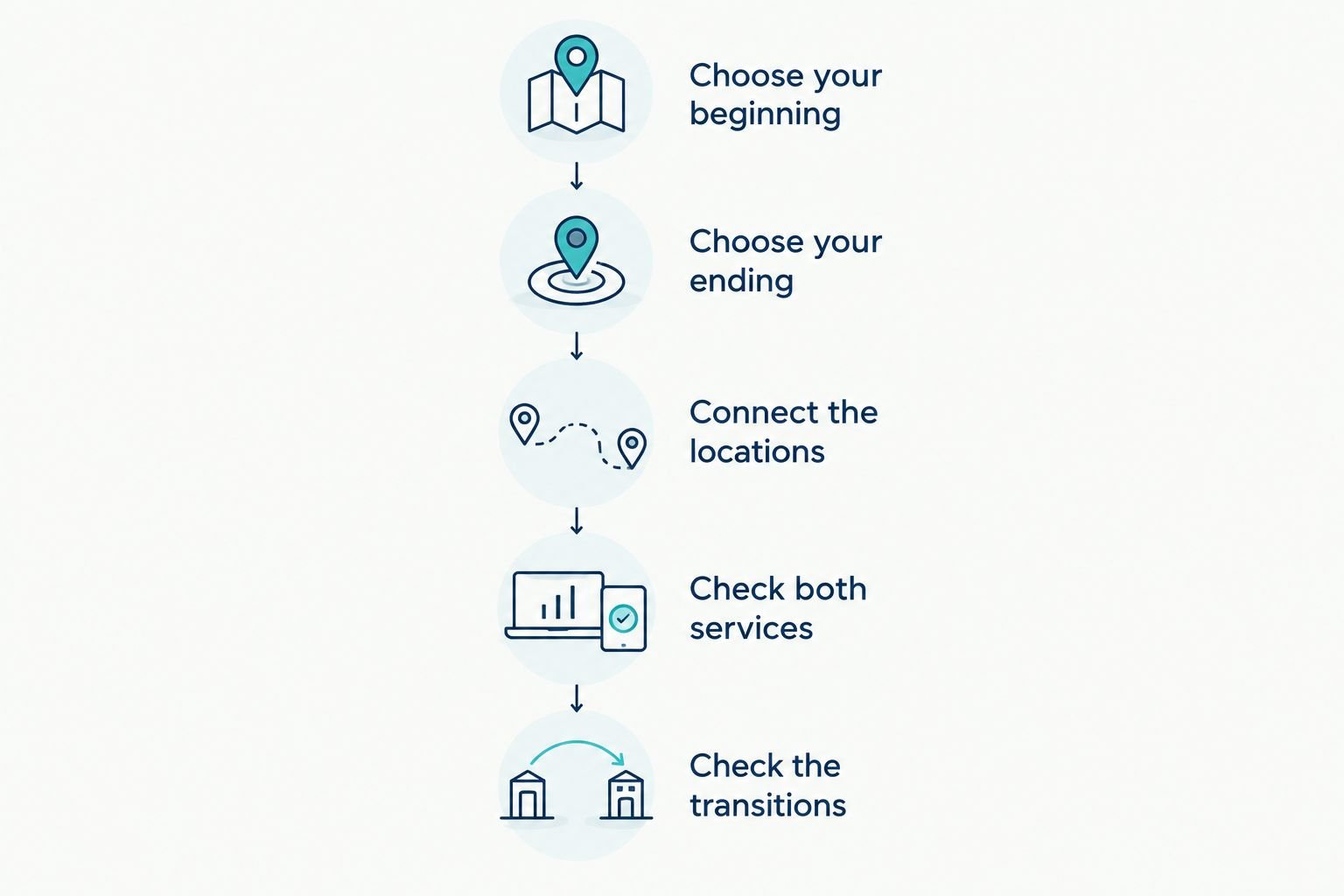
Choose the memories first, then calculate the coverage window.
Why this matters
Coverage hours decide which parts of your wedding can become photographs and film. A beautiful ceremony record does not replace the quiet moments before it, and portraits do not preserve the sound of a parent's speech.
You do not need to document every minute to tell a meaningful story. You do need to make deliberate choices about what belongs in yours.
For your 2026 wedding, make a short list together before comparing quotes. Separate the memories you would regret missing from the moments you would simply enjoy having. That distinction gives you a clear way to make decisions without treating every part of the day as equally important.
Which coverage window matches the memories you want?
These are planning options, not named packages or confirmed service inclusions. Use them to describe your priorities when speaking with a wedding photography and videography team.
Ceremony-centered coverage
Best for: Couples whose main priority is the ceremony and portraits
What it prioritizes: The ceremony, portraits, and nearby moments within the agreed window
What you give up: Preparation and later reception memories outside that window
Preparation through reception highlights
Best for: Couples who want the lead-up, vows, and selected celebrations
What it prioritizes: Getting ready, the ceremony, portraits, and chosen reception events
What you give up: Anything scheduled after the agreed finish
Preparation through final celebration
Best for: Couples who want a record from getting ready to a chosen ending
What it prioritizes: A wider span of the wedding story
What you give up: Less flexibility to shorten coverage without changing the endpoints
Best for couples wanting wedding photography and videography together, JRMH Photos & Films offers both services. Confirm the proposed coverage and deliverables in your personal quote; offering both services does not establish what a particular package includes.
Ceremony-centered coverage
Start with your ceremony and work outward. Decide whether you want arrival moments, portraits beforehand, family photographs afterward, or a small celebration recorded as well.
This approach keeps your priorities clear. Its limitation is equally clear: the story begins and ends within that agreed window, so you should not expect getting-ready photographs or a later reception film unless you arrange coverage for them.
Do not describe the request only as ceremony coverage. Write down the surrounding moments you want, especially if portraits happen somewhere else.
Preparation through reception highlights
This approach connects the anticipation of getting ready with the ceremony and selected reception memories. It suits couples who care about the emotional lead-up but do not need coverage through the entire reception.
Choose the last reception event before deciding the finish time. If speeches or a special dance are important, put those events inside the proposed window rather than assuming they will happen before coverage ends.
The trade-off is the ending. Once the team finishes, later moments fall outside the agreed coverage even if the party continues.
Preparation through final celebration
This approach starts with getting ready and continues to an agreed final moment. It gives you space to include a broader story, provided the timeline and coverage agreement match.
The limitation is that a longer window does not decide which photographs or finished films you receive. Coverage describes when the team is there; deliverables describe what comes afterward.
For 2026 inquiries, avoid using full-day coverage as your only description. State the beginning and ending you mean, then ask the team to confirm those times in writing.
Why wedding photo and video coverage hours vary
Your wedding schedule creates the coverage requirement. These planning factors change where that window starts, where it ends, and how much movement fits between the meaningful moments:
Getting-ready priorities. Final touches and a fully documented preparation morning are different requests. Say which parts you want preserved.
Location changes. Separate preparation, ceremony, and reception locations introduce travel and transitions into the schedule.
Portrait plans. A first look, couple portraits, family photographs, and wedding-party photographs need places in the timeline.
Ceremony timing. The ceremony anchors the day, but the moments immediately before and after it also need consideration.
Reception priorities. Speeches, dances, and a departure only belong in your coverage if they happen before the agreed finish.
Photo and film needs. Photography and videography share many moments, but you should confirm each service's coverage rather than assuming identical arrangements.
Do not add time without deciding what it protects. If you extend the window, name the memory that becomes possible or the transition that becomes less rushed.
How do you keep coverage from making the day feel rushed?
Put meaningful moments into the schedule without turning every quiet pause into another task. If you want private time after the ceremony, say so. If being present with your guests matters more than another portrait location, make that preference clear before the timeline is settled.
Camera comfort belongs in this conversation too. The priorities behind elopement photography—deciding which intimate moments you want preserved—also apply when you are planning a larger wedding. Describe the experience you want, not just a list of images: a quiet first look, an unhurried embrace after the ceremony, or time together away from the reception.
Those choices help define coverage without requiring you to perform for the camera all day. Ask how portraits and filming will fit around the moments you want to experience naturally.
For a 2026 wedding timeline, protect your priorities before adding optional stops. Another location is not automatically more meaningful than time with the people already beside you.
Do photography and videography need the same coverage hours?
Photography and videography need the same coverage window when you want both services to preserve the same beginning and ending. Different windows require a deliberate decision about which moments you want in photographs, in film, or in both.
For example, wanting a photograph of a speech and wanting to hear that speech again are different wishes. Tell the team about both, then confirm the recording and finished-film details rather than assuming either is included.
Ask for a written outline that answers:
When does photography start and finish?
When does videography start and finish?
Which locations does each service cover?
Which moments must both services capture?
What happens if the schedule changes?
These questions establish the plan. They do not imply a particular staffing arrangement, recording method, or policy.
Does longer coverage mean a longer wedding film?
Longer coverage means a longer agreed attendance window, not automatically a longer finished wedding film. The film's format, length, and included moments need their own discussion.
If you want to relive vows or speeches, describe that wish directly. If you want a cinematic wedding film, ask what that description means in the proposed agreement instead of treating it as a promise about length or included recordings.
Keep the distinction simple: coverage is the part of the day being documented; delivery is what you receive. Both should match your expectations before you commit.
What should you send when requesting a personal quote?
Send a clear outline, even if your wedding plans are still taking shape. You do not need a finished schedule to explain what matters most.
Include your wedding date, Houston-area locations, ceremony time, intended reception ending, and any known moves between venues. Then describe the earliest and latest moments you want preserved, along with any priorities for photographs or film.
A personal inquiry can be as simple as this:
We are planning our wedding and would love photography and videography together. We want to preserve getting ready, our ceremony, portraits, and our reception speeches. Our locations and timeline are still being finalized; please help us identify a coverage window and provide a personal quote.
Add your actual date and confirmed details before sending it. Avoid asking only which package is best, because the useful answer depends on the memories you want included.
With JRMH Photos & Films wedding photography and videography, use the quote conversation to align your story with the proposed coverage. Confirm every inclusion rather than relying on a package label.
Share your wedding plans
Send your wedding date and must-have moments to request a personal photography and videography quote.
FAQ
How many hours of wedding photo and video coverage do we need?
You need coverage from your first must-have moment to your last, including travel and transitions within that window. Build that timeline before choosing an hourly option.
Should wedding photography and videography start at the same time?
Wedding photography and videography should start together if you want both to capture the same opening moments. Confirm each service's start and finish separately in the agreement.
Do we need getting-ready coverage?
You need getting-ready coverage if those memories belong in the story you want preserved. Decide whether you want the wider preparation experience or only the final moments before the ceremony.
Can coverage end before the reception ends?
Coverage can end before the reception ends if your final must-have moment happens earlier. Check the reception schedule so speeches, dances, or a planned departure are not left outside the agreed window.
Does a longer coverage window include more finished films?
A longer coverage window does not automatically include more finished films. Confirm film formats, lengths, and included recordings separately from attendance hours.
What if our wedding timeline changes after we book?
Contact your photography and videography team when your timeline changes and confirm whether the coverage still fits. Any extension or adjustment depends on the terms you agree with the team.
What should we share when requesting a 2026 wedding quote?
Share your 2026 wedding date, locations, ceremony time, and first and last must-have moments. Add your photography and film priorities so the proposed coverage reflects the memories you want to keep.
One last thing
Choose your ending before you choose your hours. Couples can describe the morning clearly while leaving the reception finish uncertain, but that final must-have moment determines whether the coverage window truly fits.
Write it down with your partner. Then ask JRMH Photos & Films for a personal quote that reflects your wedding date, locations, and the moments you want to relive beautifully.